
Reynosa, Tam.-
La regeneración del tejido óseo es el reemplazo de un nuevo hueso que se utiliza como reconstrucción para alguna fractura o pérdida del mismo. ¿Pero cómo ocurre este proceso?
Sencillo, existe calidad en la tecnología y se fabrica un material llamado hidroxiapatita, compatible con los huesos por el nitrato de calcio y fosfato de potasio elaborados por un proceso hidrotermal.
Esta regeneración se utiliza específicamente en los huesos, solamente por ahora no hay novedades en este proceso, pero se está estudiando al ajolote.
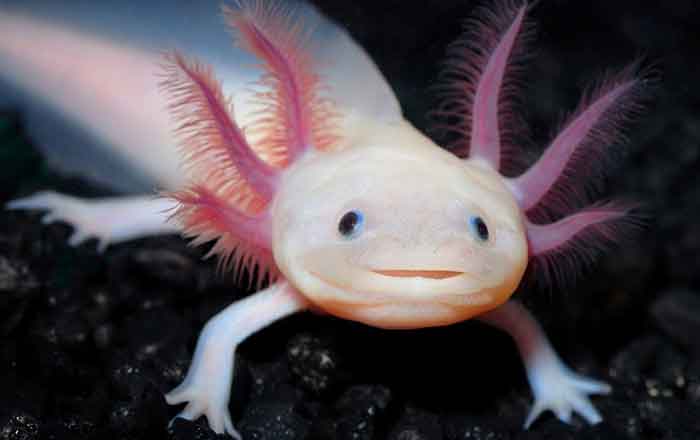
El ajolote, anfibio de aspecto similar a la salamandra, se ha establecido como uno de los animales más importantes a nivel mundial por su función regenerativa ya que aporta mucho para el avance de la medicina.
Alfredo Cruz Ramírez, científico del Cinvestav, explicó que se pueden corregir una malformación antes del alumbramiento.
A esa magnitud es impresionante los estudios con el ajolote. La investigación contó con la participación de la Unidad de Genómica Avanzada (UGA-Langebio) del Centro de Investigación y de Estudios Avanzados (Cinvestav) del IPN, encabezado por el propio Cruz Ramírez. (Con información de José Mario Narváez)
…………….
They study the axolotl for bone regeneration
By Jose Mario Narvaez
Reynosa, Tam.-
The regeneration of bone tissue is the replacement of a new bone that is used as a reconstruction for a fracture or loss of it. But how does this process occur?
Simple, there is quality in technology, and a material called hydroxyapatite is manufactured, compatible with bones by calcium nitrate and potassium phosphate produced by a hydrothermal process.
This regeneration is used specifically in the bones, only for now there is no news on this process, but the axolotl is being studied.
The axolotl, an amphibian with a similar appearance to a salamander, has established itself as one of the most important animals worldwide due to its regenerative function since it contributes a lot to the advancement of medicine.
Alfredo Cruz Ramirez, a Cinvestav scientist, explained that a malformation can be corrected before delivery.
At that magnitude, the studies with the axolotl are impressive. The research included the participation of the Advanced Genomics Unit (UGA-Langebio) of the Center for Research and Advanced Studies (Cinvestav) of the IPN, headed by Cruz Ramirez himself.